
Spotting Fake Graded Slabs: A Collector’s Visual Checklist
Counterfeit PSA slabs have become common enough on secondary marketplaces that treating every online purchase as suspect is simply good practice. Here is the layered checklist collectors use to separate the real from the replicated.
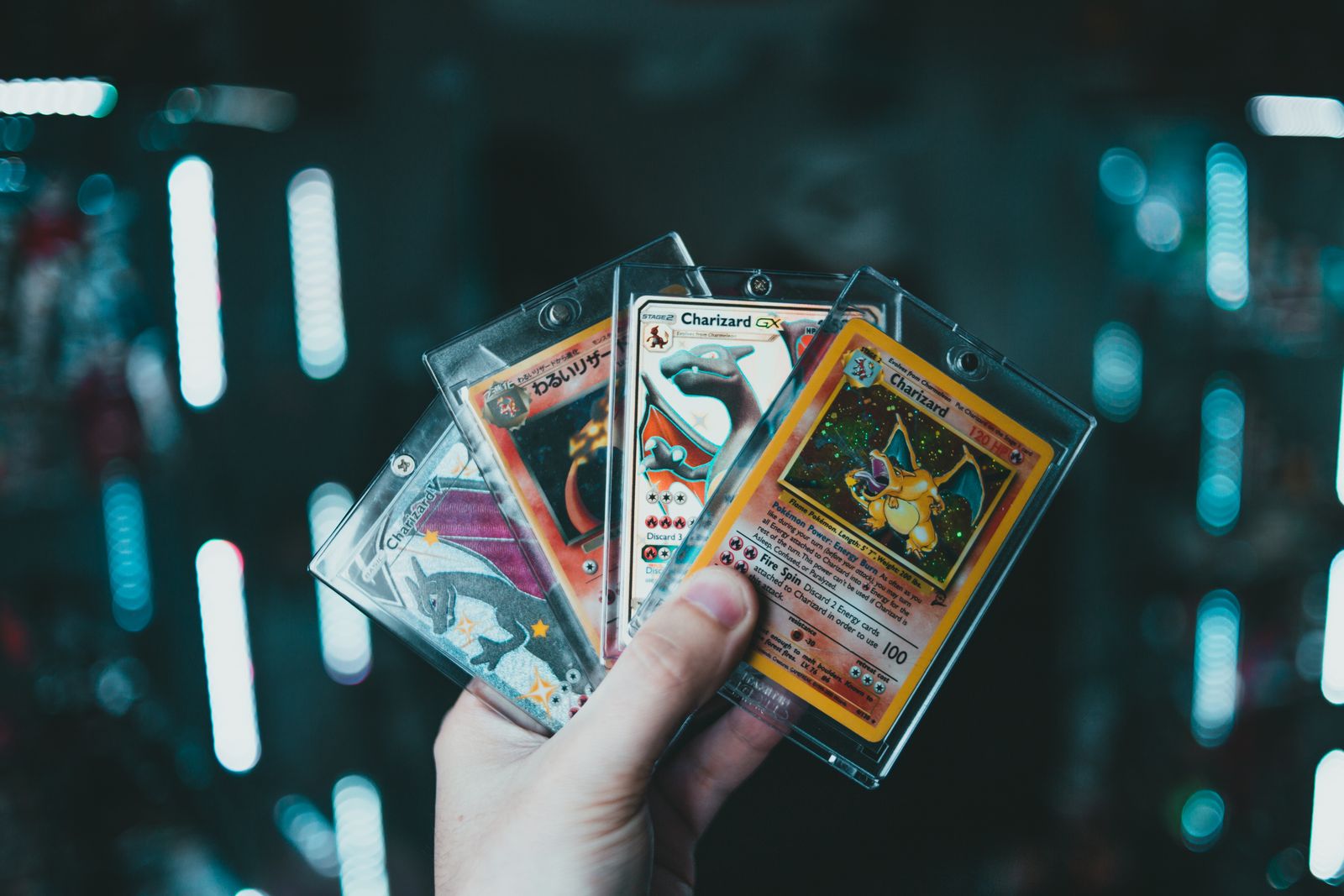
A graded slab is supposed to be a trust shortcut: one third party has already inspected the card, assigned a grade, and sealed it in a tamper-evident case. But the trust shortcut only works if the slab itself is genuine. Counterfeit cases, swapped labels, and reholdered cards have all shown up in listings from sellers with strong feedback, which means the checklist below belongs in every purchase workflow, not just the suspicious-looking ones.
Why fakes spread so easily
Graded Pokemon cards are compact, high-value items sold almost entirely through photographs. A seller photographs a slab from the front, perhaps at a flattering angle, and that single image is all most buyers see before committing. The physical case, the weld seam, the label’s security features, and the card itself all require hands-on inspection that online buyers simply cannot do.
The result is a gap counterfeiters exploit well. Fake holders have improved steadily and can pass a casual photo inspection. Some fakes reuse genuine certification numbers from real cards, so even a cert lookup returns a legitimate-looking result page. The only reliable defense is a multi-step physical inspection done the moment the slab arrives, combined with knowing which red flags to look for in listing photos before you ever click Buy.
Start with the cert number
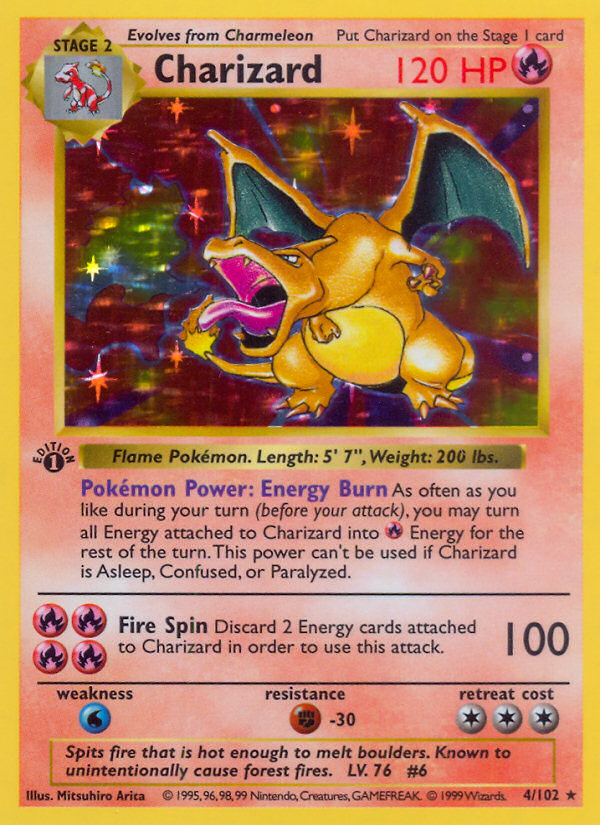
The first stop for any PSA slab is the official verification tool at psacard.com/cert. Enter the certification number printed on the label and compare every field on the returned page against the physical slab in front of you: the card name, set, number, grade, and the pop report image if one is available. A mismatch anywhere is a hard stop.
If the seller lists the cert number in the description before purchase, look it up then. A legitimate seller will expect this. One who refuses to share the number, or whose number returns a card that does not match the photos, is not worth pursuing.
For additional context on how PSA assigns grades in the first place, our guide to how PSA grading works covers the full scale and what inspectors actually look for at each tier.
Read the plastic
Authentic PSA holders are sealed with ultrasonic bonding, a process that fuses the two halves of the case together at the molecular level without adhesive. This weld leaves a very faint seam line but no visible frosting, no gaps, and no flex. Run your fingernail slowly along every edge of the case and apply very gentle inward pressure at the corners.
- Frosting or haze along the seam: a common sign that the original weld was broken and the case was resealed, often with solvent or adhesive.
- Any flex or give: a legitimate PSA slab is rigid. If the halves move relative to each other even slightly, the weld has been compromised.
- Visible gaps: inspect the seam under good light. Gaps indicate the case was opened and imperfectly re-closed.
Also check the molded “PSA” text on the front of the holder. On genuine cases this text is raised from the surface and you can feel it clearly with a fingertip. Counterfeits often render it flat or slightly recessed, or omit it entirely on lower-quality replicas.
Read the label
PSA labels carry several physical security features. None of them is impossible to replicate with enough effort, but together they are significantly harder to fake than a plain printed label.
The UV test
Under an ultraviolet blacklight, genuine PSA labels reveal hidden text and a ring of small PSA logos around the main printed logo on the back of the label. These features glow evenly and are not visible under normal lighting. A fake label will typically either show nothing under UV or display a pattern that does not match the genuine layout. A small UV torch costs very little and is one of the most reliable quick checks available.
The light-through test
Hold the slab up to a strong light source and look through the label from the back. On a genuine PSA label, the paper stock is thin enough that you can faintly make out the text printed on the front face when backlit. If the label appears completely opaque under strong backlighting, it may be thicker than it should be, which can indicate a fake label layered over the original, or a replacement label glued in place.
Fugitive ink
PSA labels also carry a faint blue graphic pattern that is described in community references as fugitive ink, best seen by passing light through the back of the label. This feature is extremely difficult to replicate on standard printing equipment. If this pattern is absent, treat it as a serious concern.
Reholdered slabs: the subtlest threat
A reholdered slab is one of the harder fakes to catch because it may use a genuine PSA label. The method, as collectors and security researchers describe it, involves cracking open a real PSA case, removing the label, placing a different card inside a replica case, and re-seating the original label. Because the label itself is genuine, the cert lookup returns a real result and the UV test passes.
The card inside does not match what PSA originally graded, but the label says it does. The only defenses are:
- Weld inspection: the case was opened, so the seam will show at least some trace of tampering on close inspection. Frosting, micro-cracks, or any flex are the physical evidence.
- Grade sanity check (see the next section): if the card inside does not look like the grade on the label, the slab deserves extra scrutiny.
- Cross-referencing population data: PSA’s pop report records how many copies of a given card exist at each grade. A card with a population of one should be approached with additional care, since there is only one genuine example to cross-reference against.
Grade sanity check
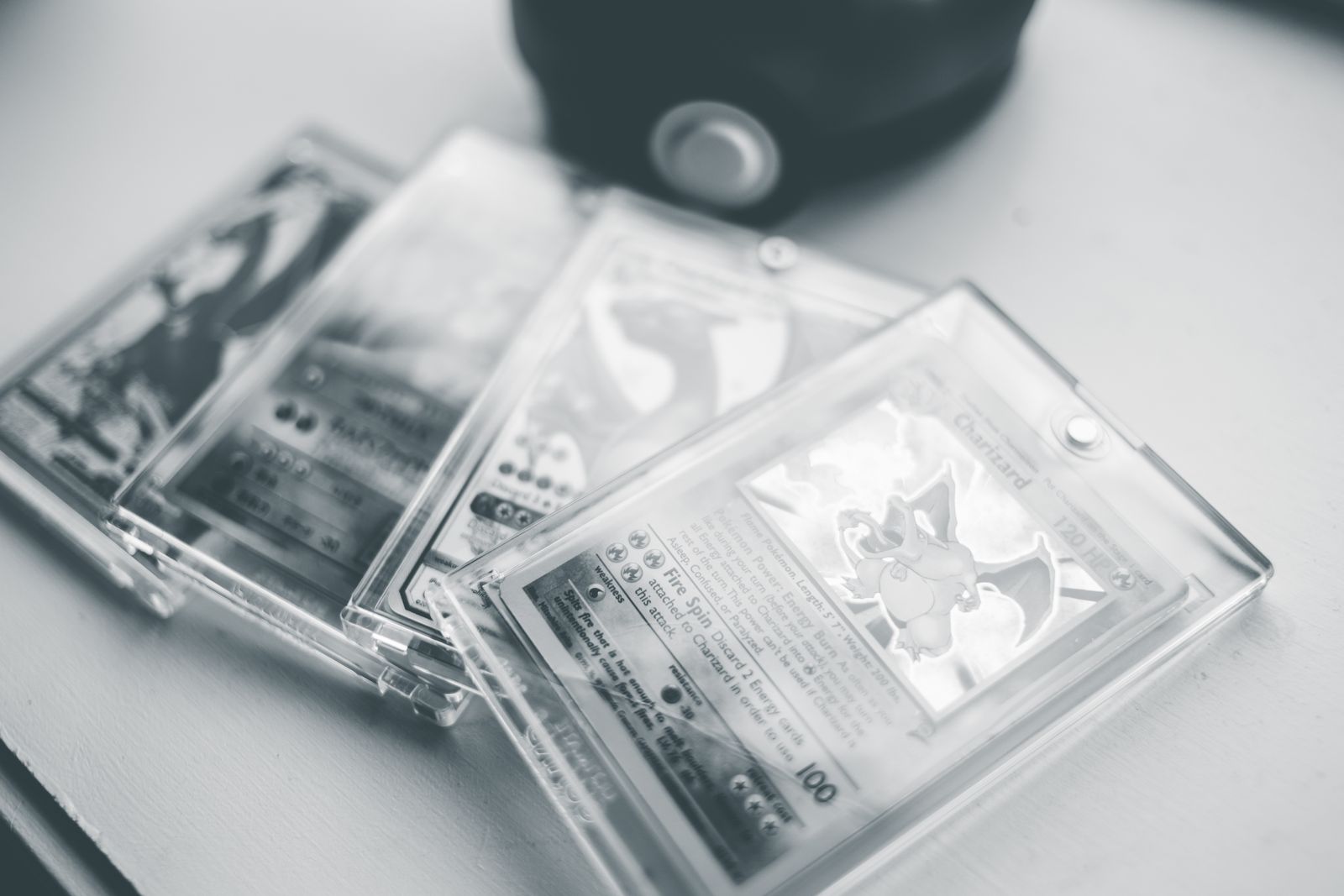
Graders are human and error does exist in the population, but a card that looks significantly below its claimed grade is a red flag that warrants the full physical inspection protocol. Before any other check, look at the card through the case and ask whether it plausibly matches what PSA says it is.
PSA 10 cards (Gem Mint) are expected to show near-perfect centering on both faces, sharp corners with no wear visible under a loupe, no scratches or print lines on the surface, and no indentations or creases. If any of those elements are visibly wrong, something is off. Either the grade is incorrect, or the card inside is not the one PSA originally graded. Both outcomes are worth investigating before paying.
For vintage cards in particular, understanding the grading criteria in detail matters. Our article on how PSA grading works explains what inspectors look for at each grade tier and why certain defects are weighted more heavily than others.
If you are buying a card with a specific set number and need to confirm you are looking at the right print, reading the card’s own identifiers, the collector number, the set symbol, and the edition mark, confirms the edition and print run before you bid.
Buying smarter on marketplaces
Running a full checklist on every listing is the right approach for hands-on inspection after delivery. But before you even commit to a purchase, filtering the noise in the first place saves time and reduces exposure to problem listings.
The challenge on major marketplaces is volume. A search for a specific graded Pokemon card by name returns thousands of results: raw cards mixed with slabs, replica slabs mixed with genuine ones, and grades that appear in titles without any consistency. Scrolling through that to find clean, clearly described listings is slow work.
EasyCards is built specifically for this. When it launches, you will be able to describe the card in one plain search box and let the app work out which card you mean, so only the cards that match exactly come back, with results titles that are clickable so you can explore the full listing detail without losing your place in the search. The goal is fewer results, better matched, so the manual checklist above is applied to a shortlist rather than a wall of noise.
Join the waitlist below so you do not miss the launch, and follow @easycardsapp for collector resources in the meantime.
Keep reading
More from the journal
How PSA Grading Works
What inspectors actually look at, how the scale runs from 1 to 10, and why the difference between a 9 and a 10 matters so much in practice.
Read moreHunt cleaner when we launch
EasyCards goes live January 1, 2027. Join the waitlist and we’ll email you the moment the hunt opens.