A field guide to spotting a clean graded card
A slab gives you a number. The card inside gives you the story. Here is what experienced collectors actually look at, from centering to the foil, before they trust a grade.
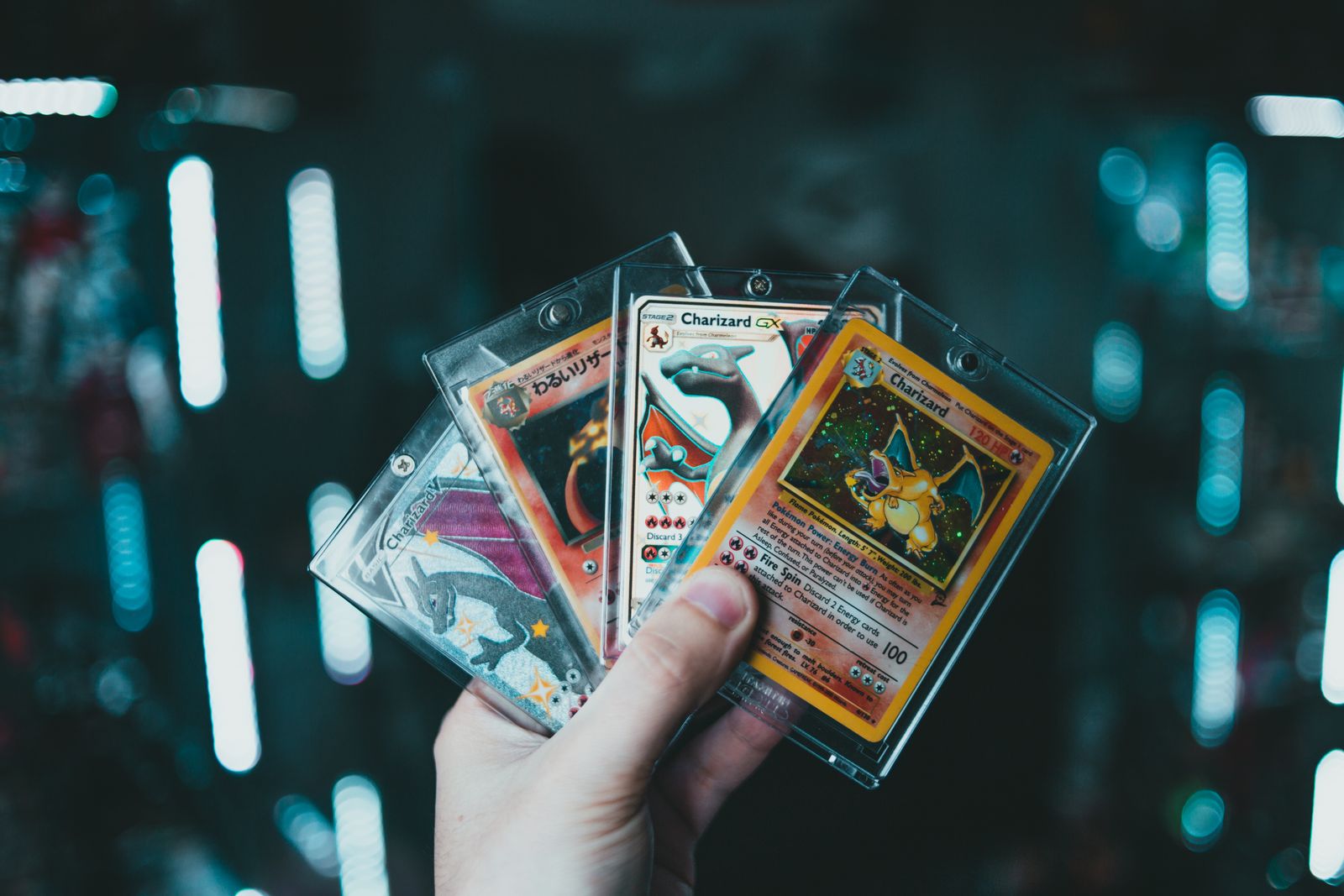
Every collector remembers the first time a grade let them down. The label said one thing, the card in the light said another. Grading is genuinely useful, but a number on a slab is a summary, not the whole truth. Learning to read the card behind the plastic is what turns a hopeful buyer into a confident one.
This is a field guide, not a rulebook. Grading companies each weigh things a little differently, and reasonable collectors disagree all the time. What follows is the order most experienced hunters move through when a slab lands in their hands, roughly from the things that matter most to the things that are easiest to miss.
Start with the slab, not the hype
Before the card, look at the case. A slab is a small sealed object that has usually travelled a long way, and its condition tells you how it was handled. Scratches and scuffs on the shell are cosmetic, but a cracked seam, a rattle, or a label that sits crooked are reasons to slow down and ask more questions.
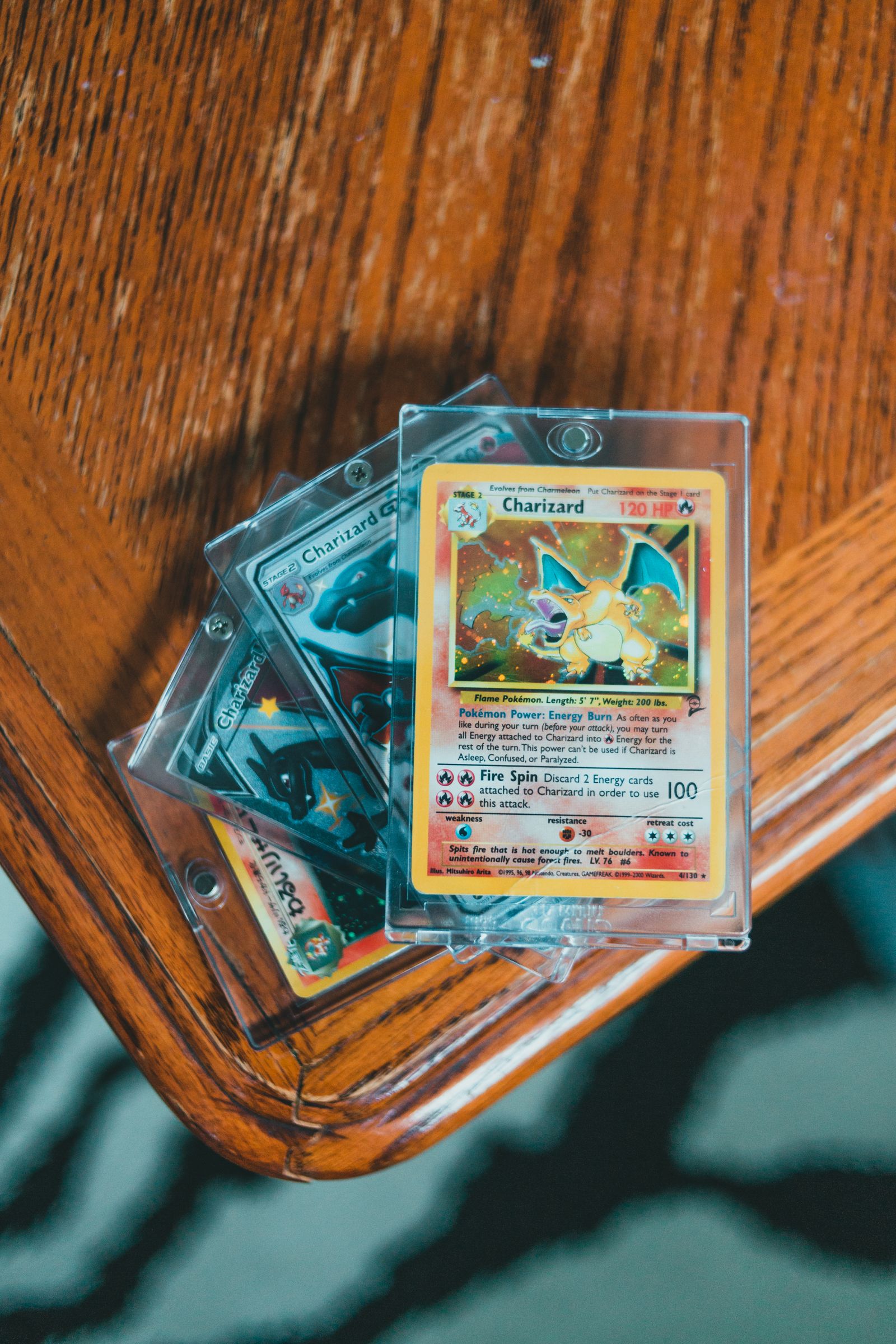
Hold the slab up and turn it slowly. You are not trying to grade it yourself, you are just letting the light do the work. Most of the signals in this guide reveal themselves with nothing more than a window and a bit of patience.
Centering is the first thing the eye should learn
Centering is the relationship between the border on one side of the card and the border on the other. It sounds fussy, and for a long time it feels invisible, then one day you cannot unsee it. A card can have perfect corners and a flawless surface and still sit lower in a grade because the print is shifted to one side.
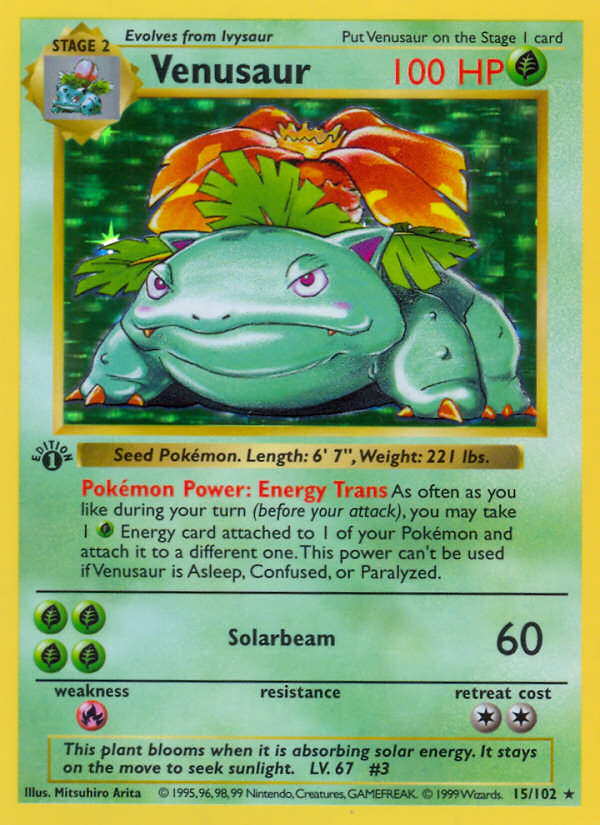
The quickest way to build the instinct is to compare. Put several cards from the same set next to each other and let your eye drift across the borders. Within a few minutes you will start sorting them without thinking. That instinct is worth more than any measurement, because it travels with you to every card you look at afterwards.
Corners and edges, where damage likes to hide
Corners take the worst of a card’s life. They get knocked in binders, softened by handling, and rounded by time. Under good light, a sharp corner looks like a crisp point and a tired one looks slightly fuzzy or pale. Edges are the same story along a straight line: look for whitening, nicks, or a frayed feel where the layers of card stock meet.
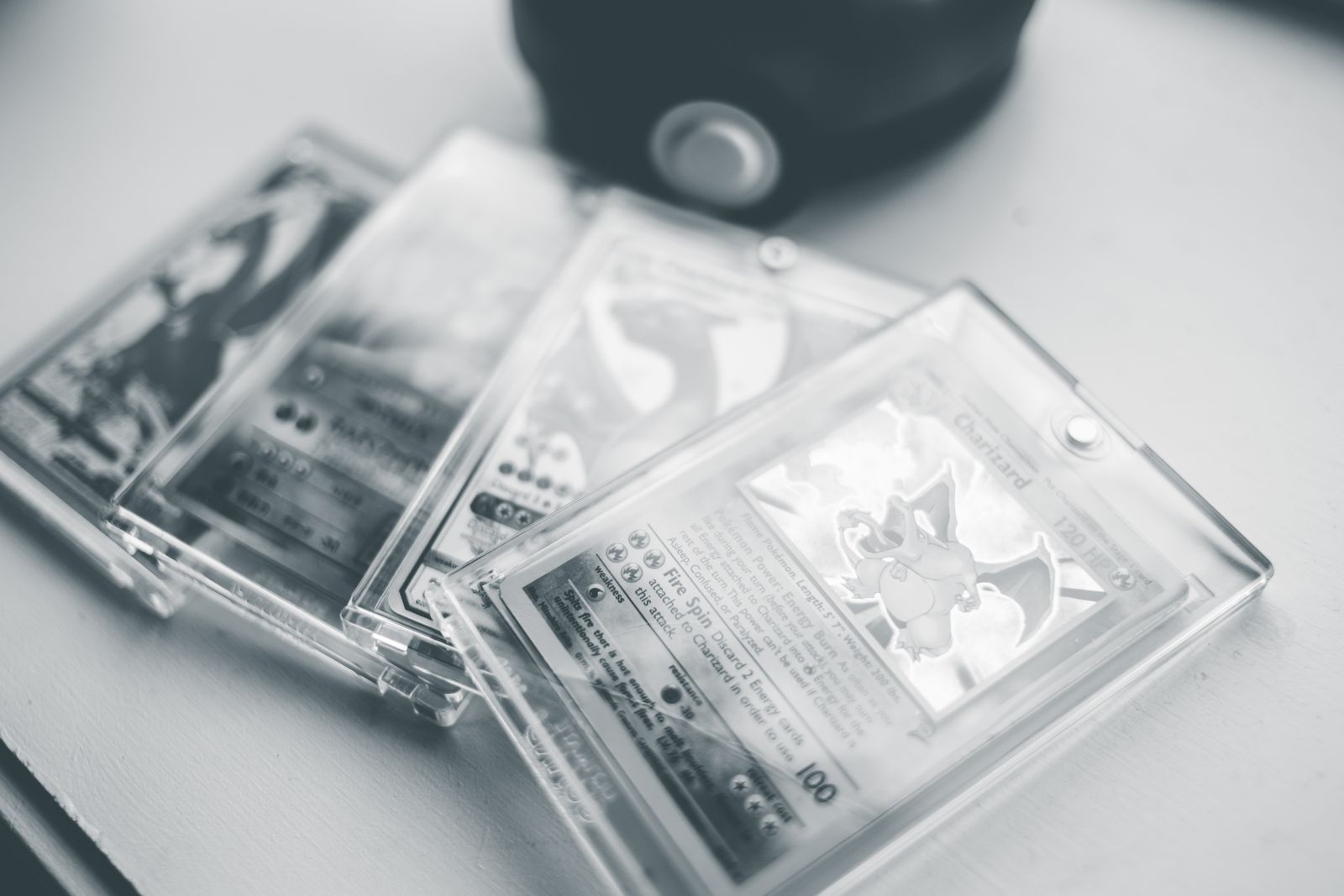
None of this requires a loupe to begin with. Your phone camera, zoomed in on a well lit photo, will show you most of what you need. The habit to build is simple: never judge corners and edges from a single straight-on shot. Tilt, zoom, and look again.
The surface, and the trouble with foil
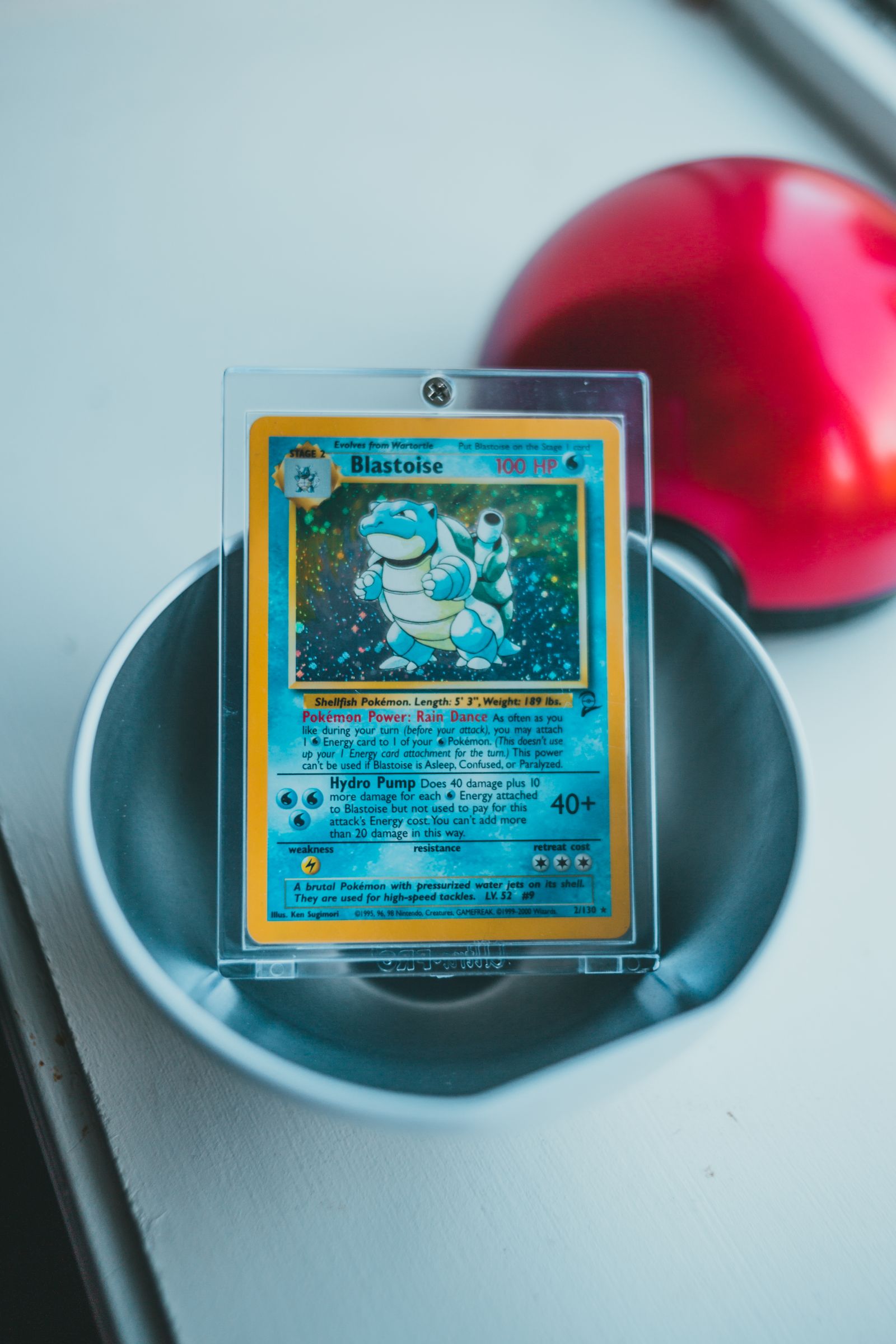
Surface is the hardest thing to read from a photo and the easiest to fall in love with in person. Holographic and foil cards catch light in a way that hides and reveals at the same time. A foil can look mirror clean from one angle and show fine print lines or scratches from another.
This is exactly why foil cards reward patience. When a seller only shows one angle of a holo, that is not proof of a problem, but it is a reason to ask for more. The cards that hold their grade are the ones that still look clean when the light is working against them.

Read the label like a collector, not a shopper
The label carries more than a number. It names the set, the card, the variant, and a unique certification reference. Take a moment to check that all of it agrees with the card you can see, and with the listing you are reading. Most mismatches are honest mistakes, but a label that does not match its card is the single clearest reason to walk away.
Variants are where careful collectors earn their edge. First edition, shadowless and other printing differences can sit on cards that otherwise look identical, and they change everything about what you are actually buying. If you collect a set seriously, learn its variants before you chase its grades.
A cleaner way to hunt
All of this gets easier when the listings in front of you are the right ones to begin with. The honest problem with hunting graded cards on a giant marketplace is not that the good cards are missing, it is that they are buried under proxies, empty cases, bulk lots, the wrong version and the wrong sets entirely. You spend your attention filtering noise instead of reading cards.
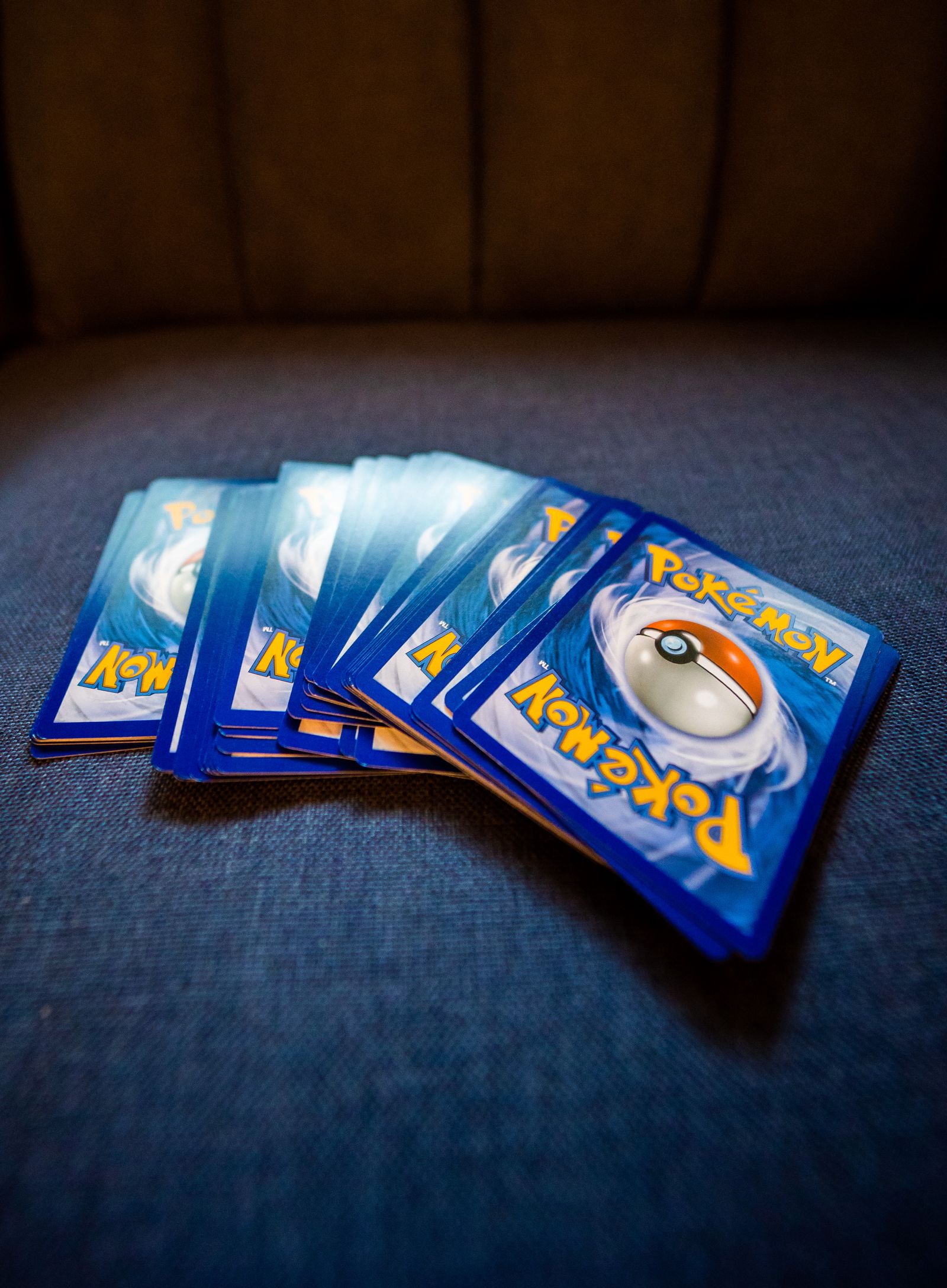
That is the whole reason we are building EasyCards. You describe the card in one plain search box, the way you would say it out loud, and the app works out which card and which version you mean. Then you choose how you want it: graded, with the grader and the grade you are after, or raw, with the condition the seller wrote beside it. Proxies, empty cases and lots fall away, and the listing titles turn into links so you can follow the trail from one card to the next without retyping a thing.
None of that replaces the eye you build by looking at cards. It just gives that eye fewer, better things to look at. Learn to read the slab, then let the search do the boring part.
Keep reading
More from the journal
How card grading actually works
The four things every grader is really scoring, in plain language.
Read more
Spotting a fake graded slab
Counterfeit cases get better every year. The tells are small but consistent.
Read more
Searching by set and number, the easy way
Set symbols and card numbers are the collector’s fingerprint.
Read moreHunt cleaner when we launch
EasyCards goes live January 1, 2027. Join the waitlist and we’ll email you the moment the hunt opens.